
Unlocking Innovation Through Antitrust Enforcement — ft. Lina Khan | Prof G Markets

Topics covered
Popular Clips










Questions from this episode
- Asked by 25 people
- Asked by 9 people
Episode Highlights
Concentration & Inflation
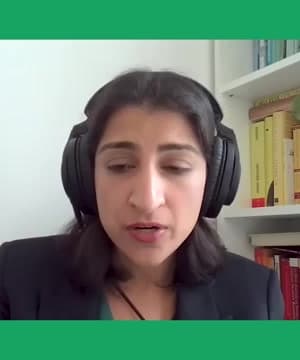
Lina Khan, Chair of the Federal Trade Commission, highlights the intricate link between industry concentration and inflation. She explains that while initial inflationary pressures stemmed from pandemic-related supply chain disruptions and geopolitical events, prices have remained high due to concentrated markets. These markets enable companies to maintain elevated prices even as costs decrease, exploiting their pricing power.
Concentration can also contribute to inflation because it makes your markets more fragile and more susceptible to cascading effects when you have a single outbreak.
---
Khan emphasizes that concentrated production increases risk, as seen in the infant formula shortage caused by a single factory issue, illustrating how such fragility can lead to widespread price hikes 1.
Consumer Harm
The FTC's approach to consumer harm in monopolistic markets is evolving under Lina Khan's leadership. She stresses the importance of addressing monopolization early, particularly in tech markets where network effects and data advantages can rapidly entrench dominant players. Khan notes that traditional measures of consumer harm, like price increases, are expanding to include innovation and quality metrics.
The key question is, what are the dimensions on which firms are actually competing in a particular market?
---
In healthcare, the FTC scrutinizes mergers and monopolistic practices, leading to significant actions like reducing drug prices and fostering innovation through blocked acquisitions 2 3.
Related Episodes


Antitrust in the Age of Monopolies — with Tim Wu
Answers 383 questions

Prof G Markets: Breaking Down the Google Monopoly Ruling — ft. Rebecca Allensworth
Answers 383 questionsProf G Markets: Breaking Down the Google Monopoly Ruling — ft. Rebecca Allensworth
Answers 383 questions
Breaking Up Big Tech
Answers 383 questionsLess is More
Answers 383 questionsProf G Markets: Microsoft and OpenAI, Wash Trading, and European Tech Regulations
Answers 383 questionsProf G Markets: Microsoft and OpenAI, Wash Trading, and European Tech Regulations
Answers 383 questions
Prof G Markets: First Quarter Review — with Aswath Damodaran
Answers 383 questions
The Great Grift
Answers 383 questions